ZooMS Taxa
Mammals
Reptiles
Mammals
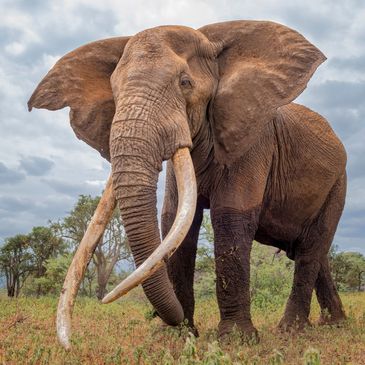
ZooMS was originally created for mammals, aimed at separating the key terrestrial domesticates, particularly sheep and goat remains due to their morphological similarity. Yet it quickly expanded to cover a wide range of wild terrestrial, aquatic and flying mammals, from all over the planet. Due to this history, supported by the quality o
ZooMS was originally created for mammals, aimed at separating the key terrestrial domesticates, particularly sheep and goat remains due to their morphological similarity. Yet it quickly expanded to cover a wide range of wild terrestrial, aquatic and flying mammals, from all over the planet. Due to this history, supported by the quality of the supporting DNA-based sequences, they are the most commonly studied ZooMS taxon.
Birds
Reptiles
Mammals
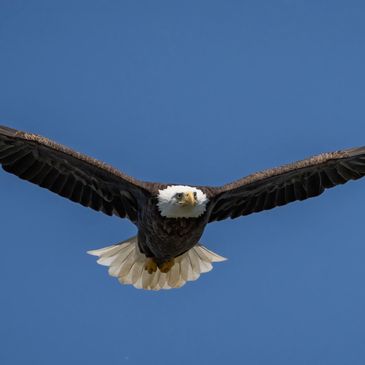
As the group with the lowest amino acid substitution rate between species (Buckley 2018), ZooMS analyses on bird remains are on the increase supported by a concerted effort of gene sequencing through the Bird Genome 10k database.
Reptiles
Reptiles
Amphibians
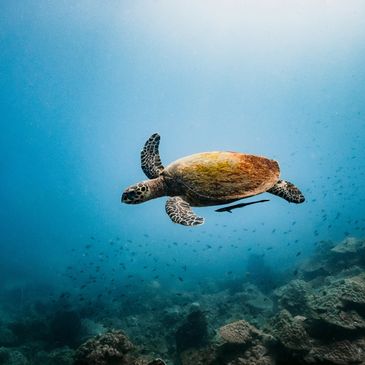
ZooMS on (non-avian) reptile remains initially started on giant tortoises, immediately reaching species-level identifications. Since then it has been applied to a range of other reptiles though focus primarily remains on turtles.
Amphibians
Cartilaginous Fish
Amphibians
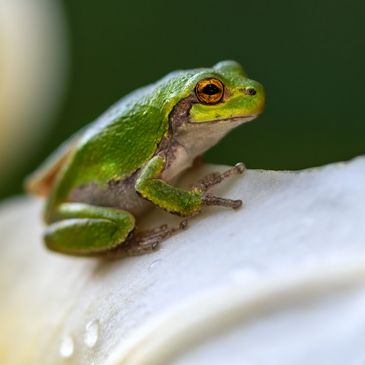
Initial studies on frogs, toads and salamanders reveal an excellent taxonomic resolution of this group.
Bony Fish
Cartilaginous Fish
Cartilaginous Fish
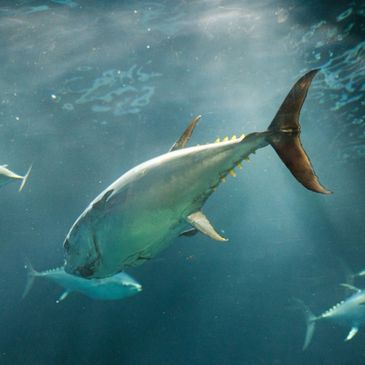
Perhaps the best studied group after mammals, ZooMS analyses of bony fish remains span hundreds of taxa. With three distinct chains making up their collagen triple helix, rather than the usual two, they do offer great taxonomic resolution. Yet with estimations of over 30,000 species, there is still a long way to go before having a good handle on this group!
Cartilaginous Fish
Cartilaginous Fish
Cartilaginous Fish
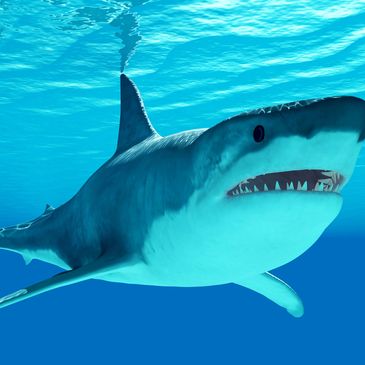
The newest of the ZooMS vertebrate groups, analyses of sharks, rays and skates offer an interesting challenge given the presence of two different types of collagen - the bony type 1 collagen, and the cartilaginous type 2 collagen!